Struggling with foot pain after games? Choosing the wrong cleats can seriously hurt your performance and feet. It’s a common problem I’ve seen for years.
Cleat choices differ vastly. Soccer goalkeepers need lateral stability. Forwards need speed. American football linemen require power. Defensive backs need agility. Each role demands specific stud designs and support.
I remember back in my early days. I played Sunday league football and once wore my old running shoes. Big mistake. This experience kickstarted my 20-year journey into understanding foot biomechanics and proper footwear, especially insoles.
Table of Contents
ToggleHow Do Cleat Needs Vary Between Soccer Goalkeepers and Forwards?
Ever wondered why a goalie’s cleats look different from a striker’s? Their jobs on the field are worlds apart. This directly impacts their footwear needs.
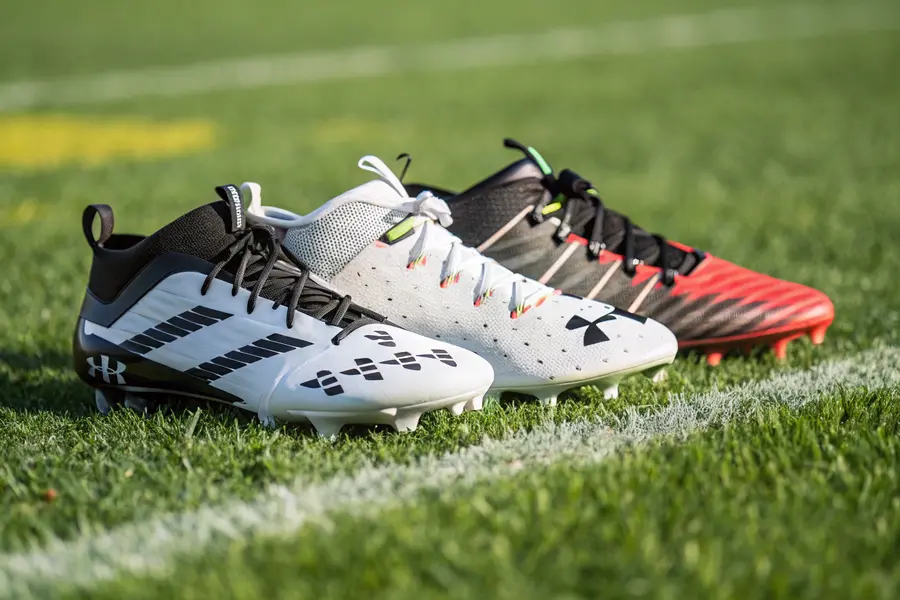
Goalkeepers need cleats with wider bases for stability during dives. Forwards prioritize lightweight designs with studs for explosive acceleration and quick cuts. Their movement patterns are key.
Let’s dive deeper into this. I’ve worked with countless players, and the difference the right cleat makes is astounding. At Footcool, we often recommend our dynamic arch support insoles to complement these specialized cleats, enhancing both comfort and performance. For a deeper look at how soccer and football cleats compare across positions, check out this in-depth analysis on soccer vs. football cleats.
Goalkeeper Cleat Essentials
Goalkeepers are the last line of defense. Their movements are often explosive but over short distances. Think quick side-steps, dives, and jumps.
- Movement Profile:
- Lateral Agility: They need to move side-to-side very quickly.
- Stability for Dives/Jumps: They must land securely and maintain balance under pressure.
- Key Cleat Features:
- Wider Stud Placement: This provides a more stable platform. It helps prevent ankle rolls during those sprawling saves.
- Good Grip: They need reliable traction, often with conical or a mix of bladed and conical studs, to push off effectively in any direction.
- Protection: Some keepers prefer a bit more material on the upper for protection during close-range blocks.
I recall a young keeper I advised. He was using forward-style bladed cleats. He kept slipping during lateral shuffles. Switching to cleats with a more supportive sole and stud pattern made a huge difference to his confidence.
Forward Cleat Must-Haves
Forwards are all about speed, agility, and precision with the ball. They make sharp cuts, sprint down the wing, and need excellent ball feel.
- Movement Profile:
- Explosive Acceleration: They need to go from 0 to 100 real quick.
- Sharp Cuts & Turns: Agility is crucial to beat defenders.
- Ball Control: The cleat’s upper material plays a big role here.
- Key Cleat Features:
- Lightweight Design: Every gram counts when speed is king. Materials like thin synthetics or premium leather are common.
- Aggressive Stud Patterns: Often bladed or chevron-shaped studs are used. These dig into the ground for maximum traction during sprints and quick changes of direction.
- Snug Fit: A close fit enhances ball feel and responsiveness.
We’ve seen forwards benefit from our Footcool insoles with the forefoot power transfer layer. It really helps with that initial burst of speed.
Here’s a quick comparison:
| Feature | Goalkeeper Cleats | Forward Cleats |
|---|---|---|
| Primary Need | Stability, Lateral Movement | Speed, Agility, Ball Control |
| Stud Type | Often conical or mixed | Often bladed or chevron |
| Upper Material | Can be more padded | Thin, lightweight for ball feel |
| Weight | Generally light, but can vary | As light as possible |
| Ankle Cut | Mid or low, personal preference | Often low for maximum mobility |
Understanding these differences is the first step to choosing the right gear. This choice directly impacts performance and helps prevent injuries.
What Are the Key Cleat Differences for American Football Linemen and Defensive Backs?
American football positions are highly specialized. Linemen and defensive backs have almost opposite roles. This means their cleat needs are very distinct too.
Offensive linemen need sturdy, supportive cleats with studs for power and anchorage. Defensive backs require lightweight cleats with multi-directional studs for rapid direction changes and speed.
I’ve consulted with semi-pro American football teams over the years. The difference between a lineman feeling planted versus getting pushed back often comes down to their cleats. And for defensive backs, a slip can mean a touchdown for the other team. For a peek into American football positions and their unique needs, you can visit the Wikipedia entry on football positions.
Offensive Linemen: The Powerhouse Position
These players are in the trenches. They need to generate power, hold their ground, and protect their quarterback or create running lanes.
- Functional Demands:
- Powerful Drive Blocking: They need to push opponents backwards.
- Stable Pass Protection: Anchoring against rushes is key.
- Explosive Movements Off the Line: The first step is crucial.
- Cleat Design Specifications:
- High-Top or Mid-Cut: Essential for ankle support due to the forces involved. Our Footcool insoles with the full heel wrap design complement this by offering extra stability.
- Sturdy Uppers: Durability is important. Leather or robust synthetic materials are common.
- Aggressive, Long Studs: Often detachable and longer, providing deep penetration for maximum grip, especially on grass or muddy fields.
- Wider Base: Similar to soccer goalies, but more focused on forward/backward stability.
Think about the sheer force these athletes generate. Their cleats need to be like anchors.
Defensive Backs: Speed and Agility Specialists
Defensive backs (DBs) cover fast receivers. They need to backpedal, turn, and sprint at a moment’s notice. Agility and speed are paramount.
- Movement Profile:
- Backpedaling: A unique movement requiring specific traction.
- Sudden Sprints: Reacting to receivers’ routes.
- Rapid Changes of Direction: Covering sharp cuts and out-routes.
- Jumping: Contesting passes.
- Cleat Innovations & Needs:
- Lightweight Construction: Critical for speed and to reduce fatigue.
- Low-Cut Design: Maximizes ankle flexibility for quick movements.
- Multi-Directional Stud Patterns: Often a mix of stud shapes to support grip in all directions – forward, backward, and laterally.
- Good Fit: A snug, sock-like fit helps with responsiveness.
Here’s a table summarizing these differences:
| Feature | Offensive Linemen Cleats | Defensive Backs Cleats |
|---|---|---|
| Primary Function | Power, Stability, Protection | Speed, Agility, Quick Direction Change |
| Ankle Cut | High-top or Mid-cut | Low-cut |
| Weight | Heavier, more robust | Lightweight |
| Stud Configuration | Long, aggressive, often detachable | Shorter, multi-directional |
| Upper Material | Durable, supportive | Thin, flexible, breathable |
Many DBs tell me our moisture-wicking Footcool insoles are a game-changer for them, keeping their feet dry and comfortable even during intense coverage drills.
Are There Shared Cleat Principles And Injury Concerns Across These Football Roles?
You might think these sports and positions are too different. But there are common threads in cleat design and foot health. It’s fascinating stuff.
Yes, shared principles include the trade-off between stability and agility, and the importance of proper fit. Common injury concerns involve ankle sprains and foot fatigue, influenced by cleat choice.
Working in the foot wellness industry for two decades, I’ve seen patterns. Whether it’s a soccer forward or an American football DB, the wrong support can lead to similar problems. This is where quality insoles, like ours at Footcool with dynamic arch support, can make a universal difference. To further understand the hidden causes of common sports injuries and how to address them through smart footwear choices, don’t miss this resource on the hidden cause of sports injuries and how it’s hurting your brand.
Cross-Sport Insights: What Binds Them?
Even with specialized needs, some core ideas apply to all these athletes.
- Traction is King: Every position needs grip. The type of grip differs, but the fundamental need to connect with the playing surface securely is universal.
- Fit and Comfort: A poorly fitting cleat will cause blisters, reduce performance, and increase injury risk, no matter the sport.
- Material Science Impact: Advancements in materials benefit everyone. Lighter, more durable, and more breathable materials are always sought after.
- The Stability vs. Agility Spectrum: All sports footwear design navigates this balance. More stability often means less agility, and vice-versa. The key is finding the right point on that spectrum for the specific role.
Injury Prevention: A Common Goal
No athlete wants to be sidelined. Cleat choice plays a surprisingly large role in injury prevention.
- Ankle Sprains:
- Linemen and goalkeepers, who need more lateral stability, often opt for higher-cut cleats or use taping/bracing.
- The right stud length and pattern can also reduce the risk of the foot getting caught awkwardly.
- Foot Fatigue and Plantar Fasciitis:
- This is a big one. Cleats, especially those with minimal cushioning or poor arch support, can contribute to these issues.
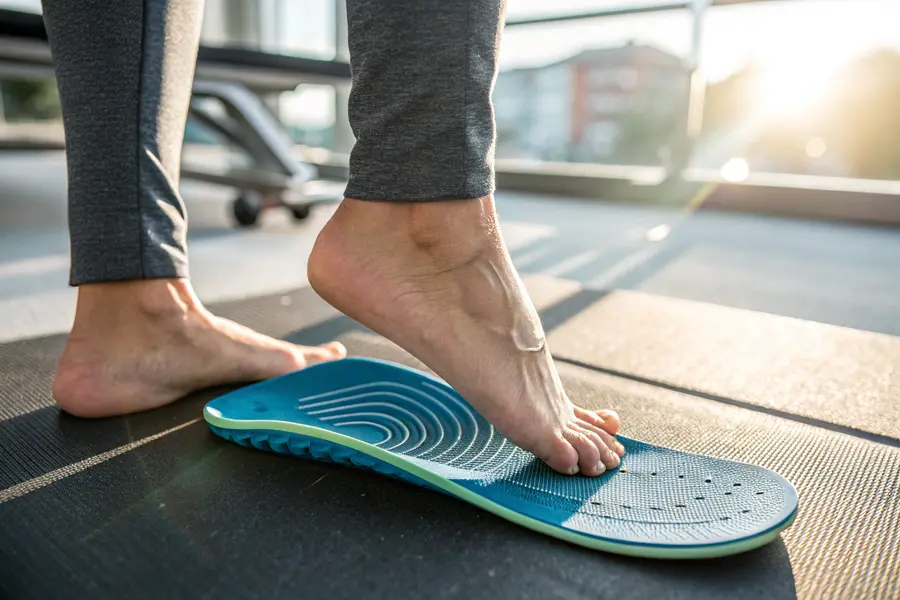
- This is where I always stress the importance of good insoles. Our Footcool insoles, with features like heel shock absorption and dynamic arch support, are designed to combat these problems. They can be a game-changer for athletes in any of these positions.
- Turf Toe:
- More common on artificial surfaces. Cleats with a slightly stiffer forefoot can sometimes help, but it’s a tricky injury often related to hyperextension of the big toe.
Thinking about injury prevention isn’t just about the cleat itself. It’s about the entire system: the cleat, the insole, the sock, and even training and conditioning.
Conclusion
Choosing the right cleats isn’t just about style. It’s about position-specific needs, performance, and injury prevention. Understand your role, understand your feet, and pick wisely.